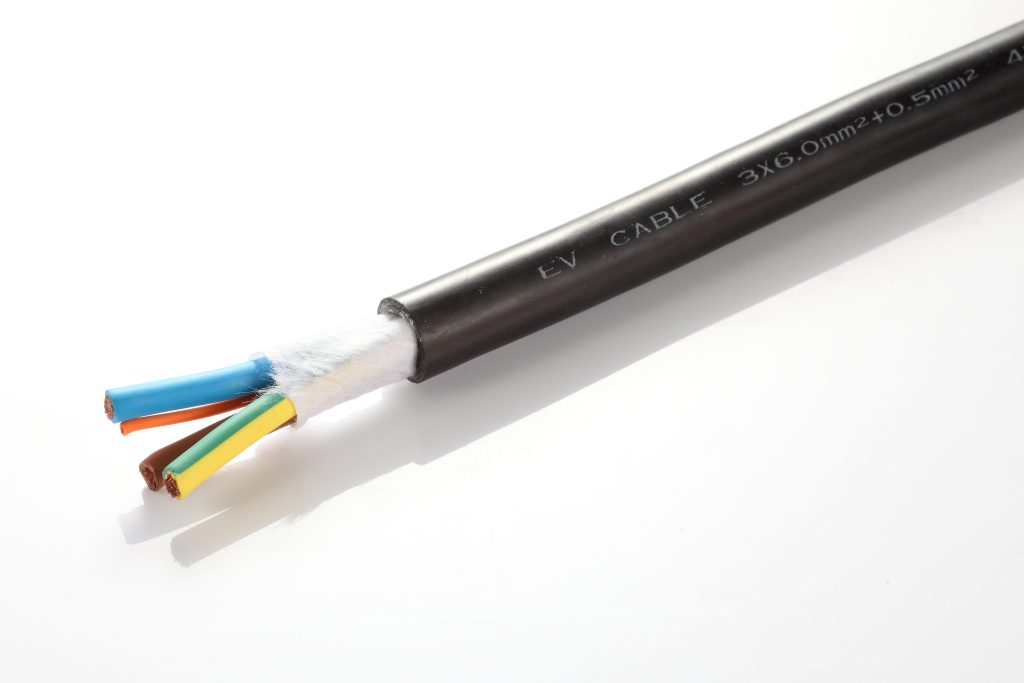

Electric vehicle (EV) charging cables must withstand harsh outdoor environments, constant flexing, vehicle runovers, and extreme temperatures. Choosing the right insulation and jacket material is critical for safety and longevity. This guide from OMG EV Cable will help you understand the key differences between TUP and TPE materials and select the right cable for your application.
What Are TPE and TPU Cables?
TUP: Typically refers to specialized Thermoplastic Polyurethane variations (often aligned with TPU/TPU-P performance metrics) engineered specifically for heavy-duty power and charging applications.
TPE: Thermoplastic Elastomer. A blend of polymers (usually a mix of plastic and rubber) that exhibits both thermoplastic and elastomeric properties.
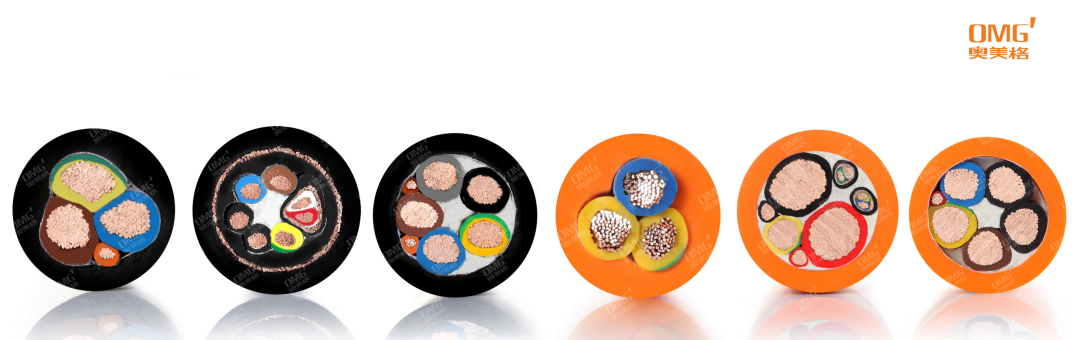
Main Differences:TUP & TPE
|
Feature |
TUP (Polyurethane-based) |
TPE (Thermoplastic Elastomer) |
|
Material Base |
Polyurethane / Engineering Grade |
Styrenic block copolymers / Olefin blends |
|
Tensile Strength |
High (35~55 MPa) |
Moderate (10~25 MPa) |
|
Abrasion Resistance |
Excellent (Highly scratch/drag resistant) |
Fair to Good |
|
Flexibility |
High (Maintains bounce-back) |
Excellent (Highly flexible, rubber-like feel) |
|
Low Temp. Limit |
Down to -45℃ or -50℃ |
Down to -40℃ |
|
Cost Profile |
Premium / Higher |
Cost-effective / Budget-friendly |
1. Insulation/Jacket Material
- TUPutilizes a dense, molecularly tight polyurethane structure. It behaves like a highly resilient, rugged plastic with rubber-like elasticity.
- TPErelies on a matrix of rubber interlocked with plastic. It feels softer, more matte, and mimics traditional rubber closely.
2. Temperature Ratings
- TUP: Excellent operational window, typically rated from –45℃ to 125℃. It retains structural integrity during rapid high-current DC fast charging heat spikes.
- TPE: Standard formulations range from-40℃ to 90℃ or 105℃. Prolonged exposure to extreme upper limits can cause the material to soften faster than TUP.
3. Water Resistance
- TUP: Offers exceptional resistance to hydrolysis (water breakdown) and moisture absorption, preventing internal cable degradation in standing water.
- TPE: Good overall water resistance, but prolonged exposure to hot, humid environments can degrade certain low-tier TPE formulations over time.
4. Durability and Chemical Resistance
- TUP: Virtually impervious to oil, gasoline, ozone, and intense mechanical dragging. It has a tear strength often exceeding 50kN/m.
- TPE: Highly resistant to acids and alkalis, but more susceptible to swelling or degradation when exposed to harsh automotive hydrocarbons (like oils and fuels) over extended periods.
5. Cost Consideration
- TUPrequires more complex processing and raw materials, resulting in a 20%~40% cost premium over standard TPE.
- TPEis highly recyclable, easier to extrude, and offers a highly cost-efficient alternative for high-volume manufacturing.
TUP vs TPE: Application Guide
Residential and Commercial Use
- TPEis the industry standard for residential AC home chargers (Level 1 & Level 2). The cable is lightweight, easy to coil, and highly cost-effective for private garages.
- TUPis favored for premium commercial charging stations, workplace parking lots, and urban curbside chargers where cables are dropped or stepped on frequently.
Wet or Damp Locations
Both materials handle rain well. However, for outdoor public infrastructure where cables sit in puddles or snow banks, TUP provides a more reliable barrier against long-term moisture ingress.
Industrial and Harsh Environments
TUP is mandatory for DC Fast Charging (Level 3) and ultra-fast liquid-cooled charging networks. Its high tensile strength prevents damage when dragged across concrete by heavy commercial use.
TUP, TPE: Can They Be Interchanged?
The Verdict: Yes, functionally, but with caveats. You can replace a TPE cable with a TUP cable for increased durability. However, replacing a specified TUP cable with TPE in a high-traffic or high-power DC fast-charging environment may result in premature cable failure, safety hazards, and accelerated wear.
How to Choose the Right Wire
1. Evaluate Environment
Choose TPE if the cable will remain mostly stationary indoors or in mild residential climates.
Choose TUP if the cable faces heavy public use, extreme freezing winters, or contact with automotive fluids.
2. Check Compliance Standards
Ensure your selection complies with regional EV cable standards such as EN 50620 (Europe) or UL 62 (North America). TUP variants dominate the highest sub-classes of these certifications for mechanical toughness.
3. Consider Long-Term Cost
While TPE lowers your upfront manufacturing or purchasing bill, TUP reduces the frequency of cable replacements at public charging stations, lowering maintenance costs in the long run.
Why Choose OMG EV Cable?
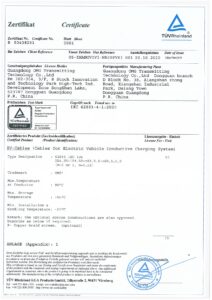
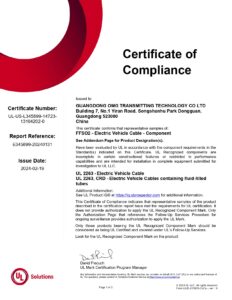
- UL2263certified EV charging cables
- IEC62893 certified EV charging cables
- Over 30 years of experience in the R&D and production of new energy cables
- Custom cable solutions available (Tailored sizes, colors, and compound variations to fit specific brand requirements)
At OMG EV Cable, we help global customers select the right cable for their specific application needs.
Get Expert Support
Need help choosing the exact compound or cable specification for your EV project? Contact our engineering team today for technical data sheets, custom quotes, and compliance consultation.